Introduction:
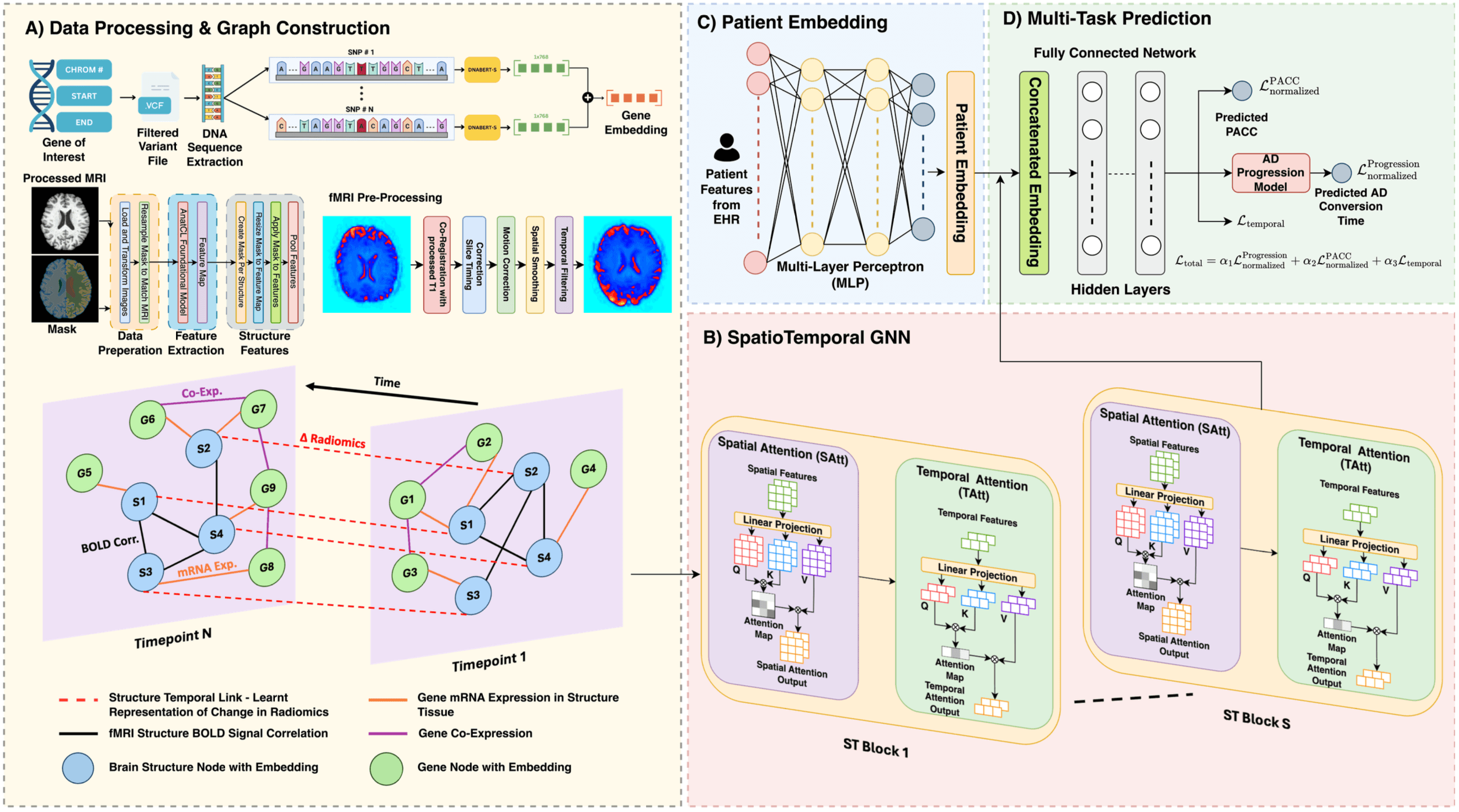
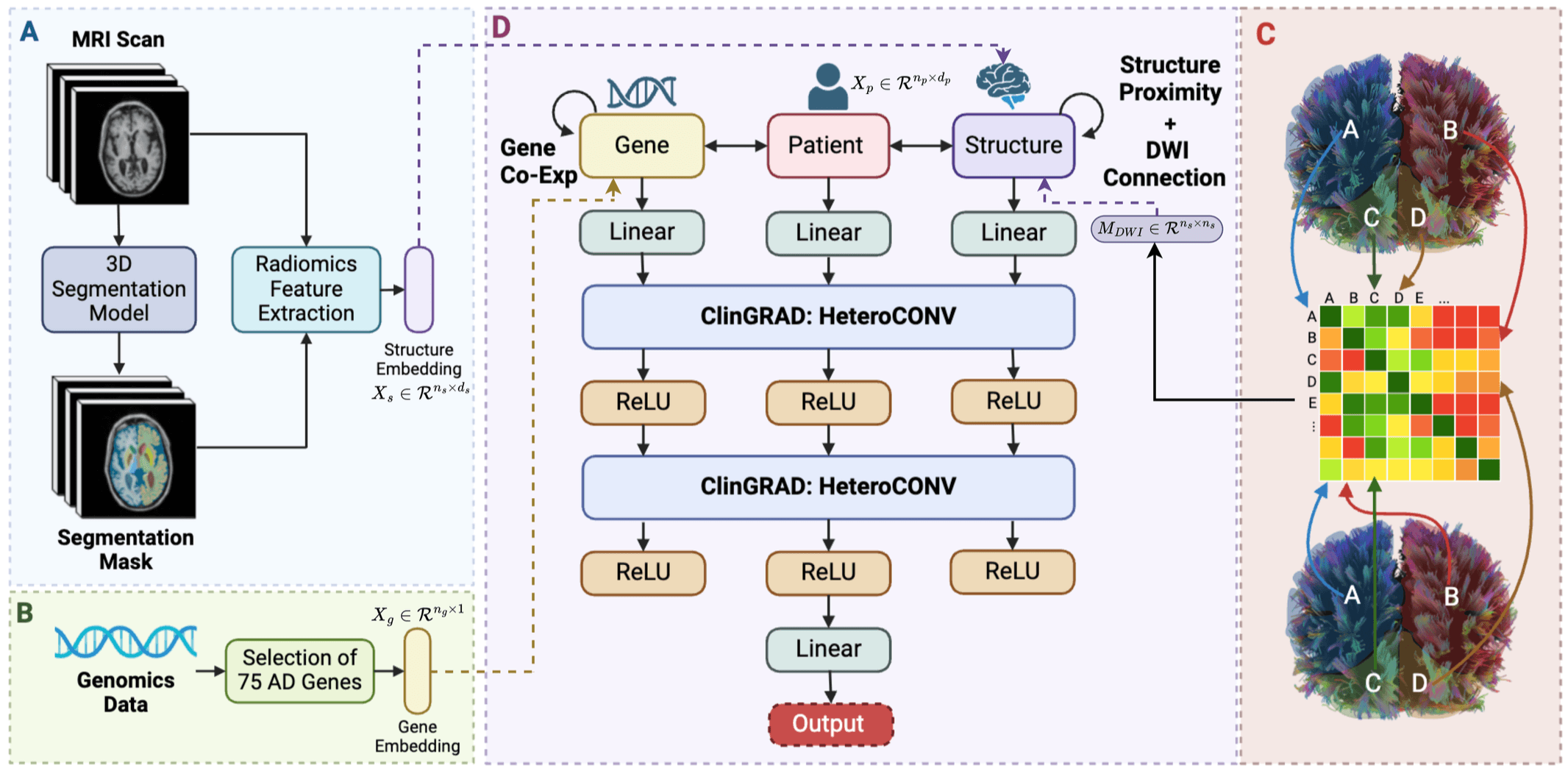
The Meta-learned Cross-modal Knowledge Distillation (MCKD) method introduces a robust solution to a key challenge in multi-modal learning, particularly in the medical imaging domain: the problem of missing modalities. Multi-modal learning leverages various data sources such as CT scans, MRI scans, and genomics data to enhance the performance of predictive models by integrating multiple views of the data. In medical practice, these modalities provide complementary information that can improve diagnoses and treatment planning. However, in real-world scenarios, not all patients have complete data across every modality. Some patients may only have MRI data available, while others might have CT scans but lack genomic information, leading to incomplete datasets and suboptimal model performance.
To address this issue, the MCKD model dynamically estimates the importance of each modality and distills knowledge from the more reliable modalities into the missing ones. By using meta-learning, the model adapts to the available modalities and learns to focus on the most informative ones, thus compensating for missing information. This approach minimizes the negative impact of missing data and ensures that the model maintains high performance across both classification and segmentation tasks. For instance, it can be applied to scenarios such as tumor detection or Alzheimer's disease progression classification using medical imaging datasets where certain key modalities might be missing.
AI Implementation:
The MCKD model leverages both meta-learning and knowledge distillation principles to address the missing modality challenge. The key steps involved in the AI implementation include:
Modality Importance Estimation:
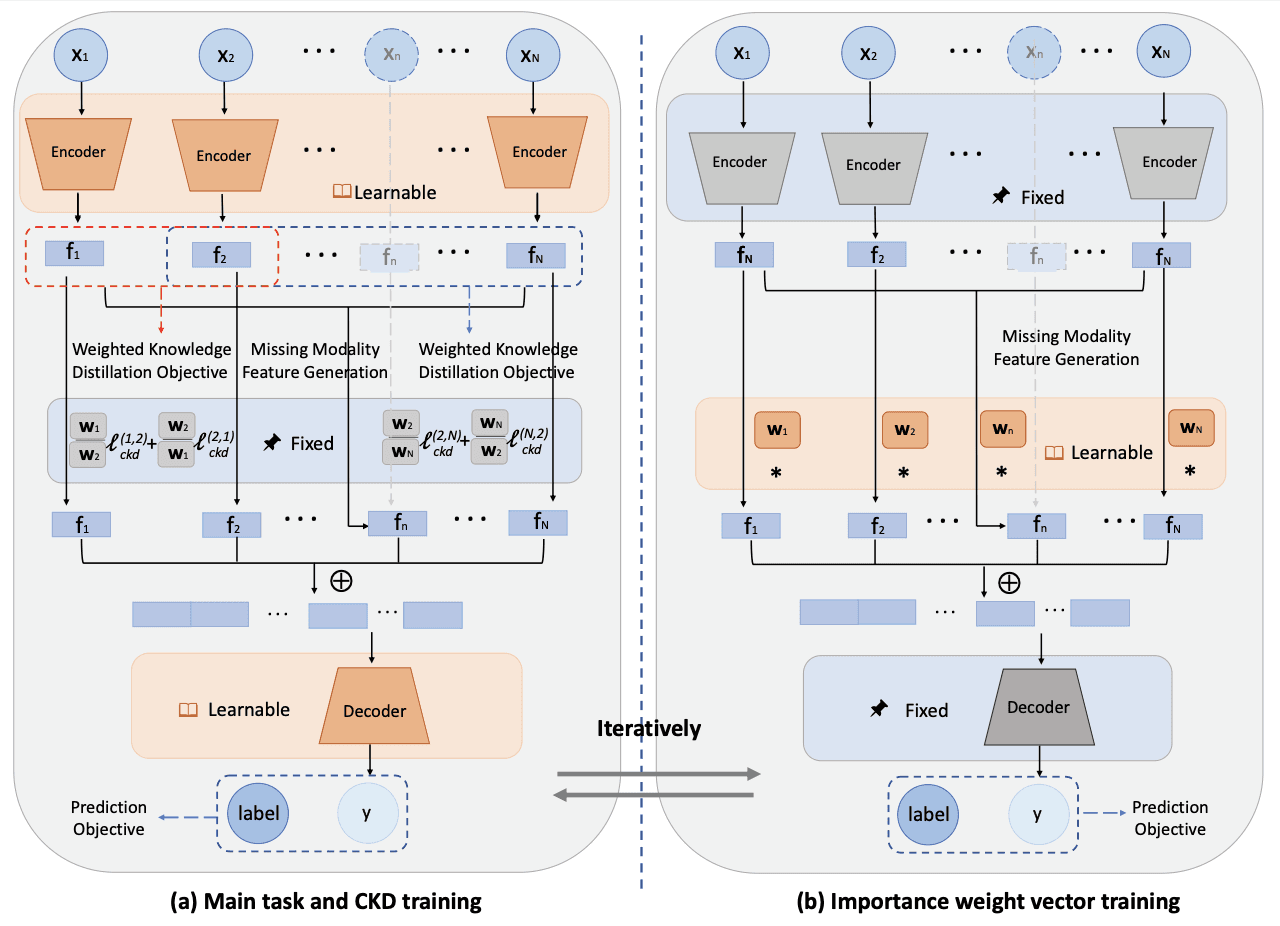
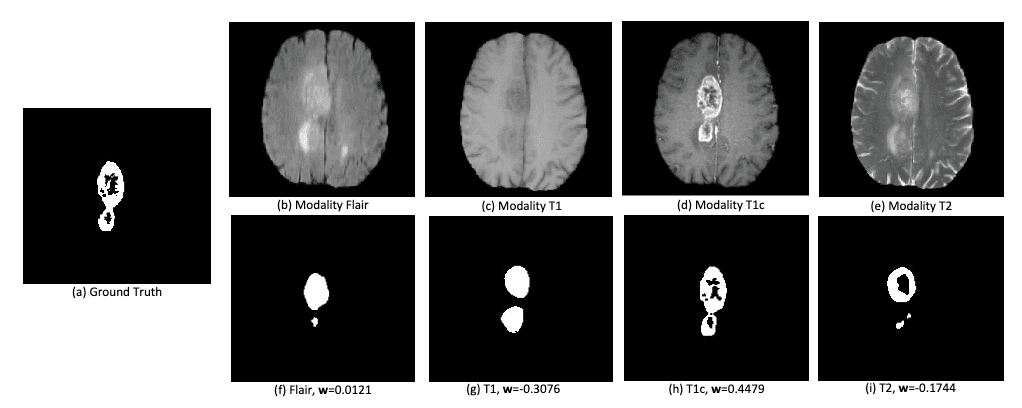
The model uses a meta-learning algorithm to estimate the importance of each modality during the training process. Each modality is assigned an importance weight based on its contribution to the specific task at hand, whether it is classification or segmentation. For example, in a task involving both MRI and genomic data, the meta-learning process assigns higher importance to MRI data if it is more predictive for a given case.
These importance weights are updated during training, allowing the model to adapt to different datasets or tasks dynamically. The importance weight vector (IWV) is learned through a bi-level optimization process, ensuring that the most informative modalities are given higher priority during the knowledge distillation phase.
Cross-modal Knowledge Distillation:
After modality importance weights are determined, MCKD performs knowledge distillation between modalities. This involves transferring knowledge from the available "teacher" modality to the missing "student" modality. For example, if MRI data is missing for a patient, MCKD uses the available genomic data to predict and distill MRI-related features.
The distillation process is designed to reduce the information gap caused by missing data. By effectively transferring knowledge between modalities, MCKD ensures that even when some modalities are missing, the model can still generate accurate predictions.
Training Strategy:
MCKD is trained using a combination of classification and segmentation objectives, allowing it to adapt to various medical tasks. The model uses Convolutional Neural Networks (CNNs) and UNet architectures to handle medical image data (such as MRI and CT scans), while also integrating deep neural networks for non-image data (such as genomics and clinical records). This diverse architecture enables seamless handling and integration of multiple data types.
Datasets Used:
The MCKD model is evaluated on several datasets, primarily focusing on medical imaging tasks. The paper showcases the model's robustness and versatility through experiments on the following datasets:
BraTS2018 Dataset:
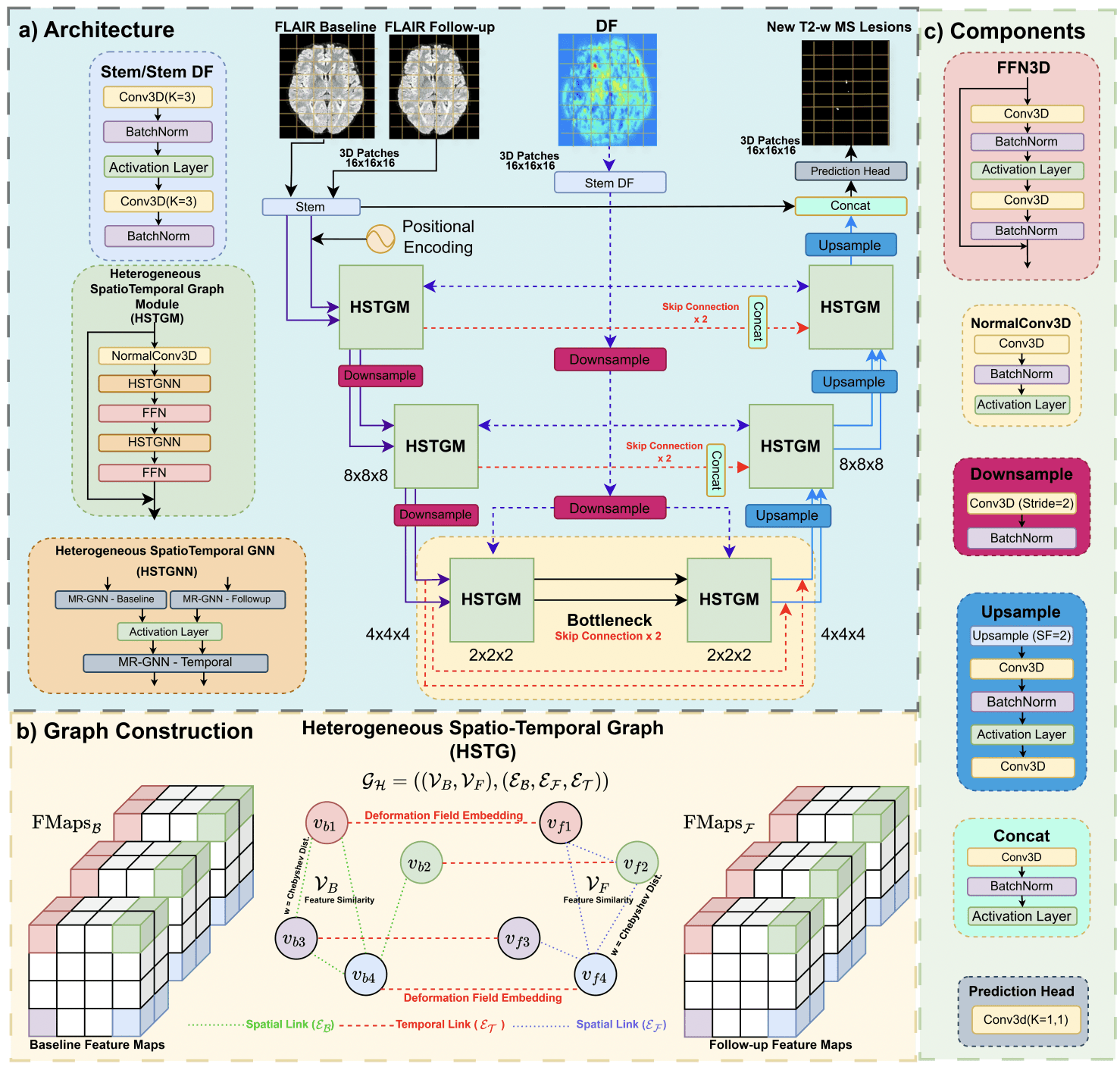
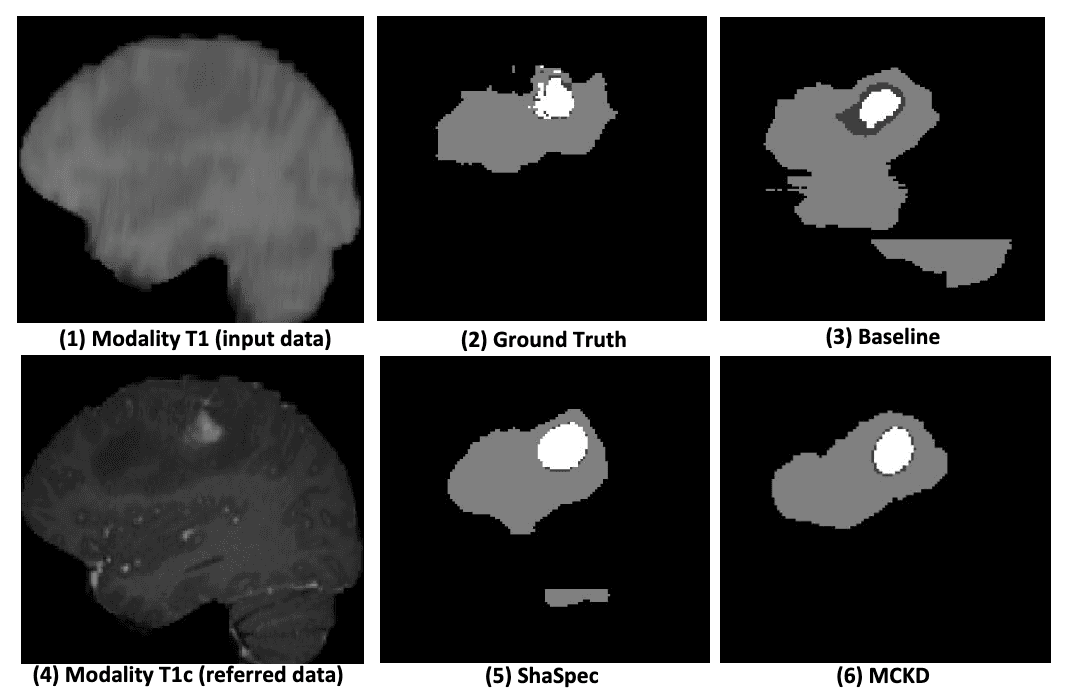
The BraTS2018 challenge dataset is used to evaluate the model's performance on brain tumor segmentation. This dataset includes MRI scans (T1, T1-contrast enhanced, T2, and Flair) and ground-truth segmentations for three tumor types: enhancing tumor, tumor core, and whole tumor. The task is challenging due to the need to segment and analyze multiple tumor subregions with high precision.
MCKD demonstrates how the model can handle missing modalities (e.g., missing one MRI modality) by distilling knowledge from the available modalities into the missing ones.
ADNI Dataset:
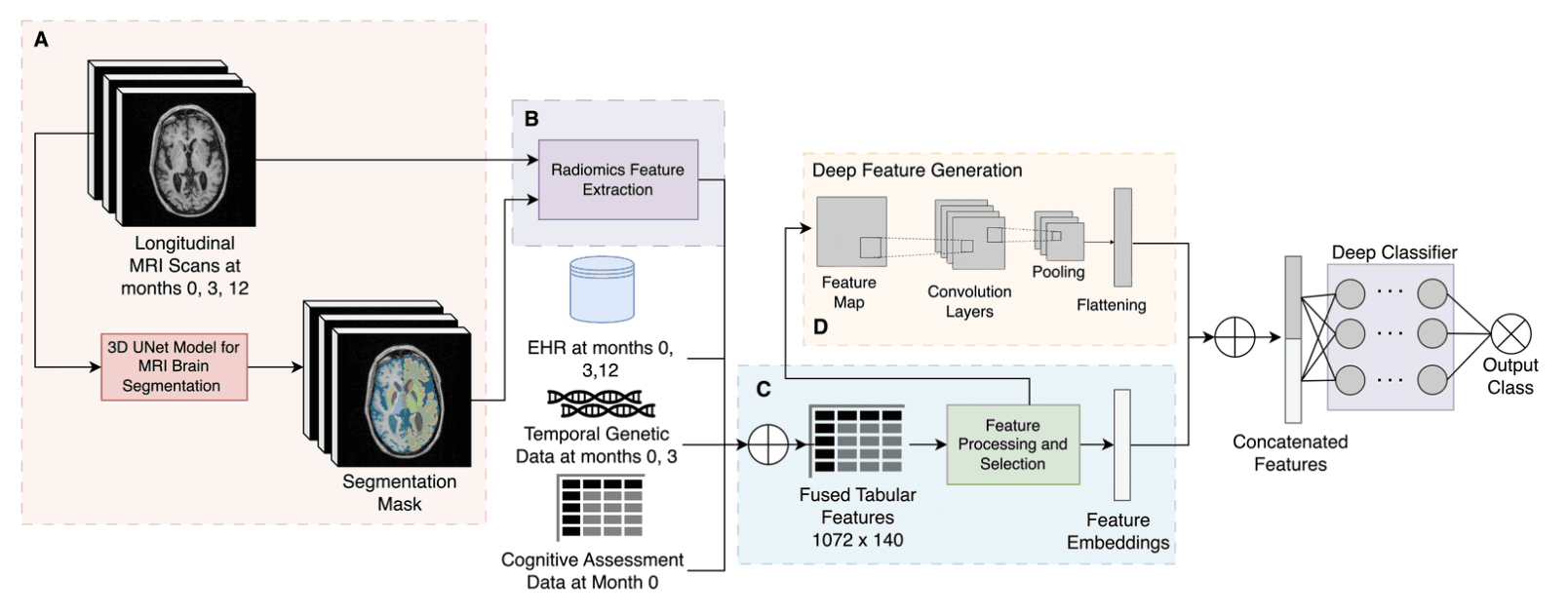
The Alzheimer's Disease Neuroimaging Initiative (ADNI) dataset provides a large collection of multi-modal data, including MRI, clinical assessments, and genomic data, used for predicting Alzheimer’s Disease (AD) progression. This dataset poses a challenge due to the frequent absence of certain modalities, such as PET scans or genomic information.
MCKD is applied to classification tasks in the ADNI dataset, including distinguishing between cognitively normal (CN), mild cognitive impairment (MCI), and Alzheimer's disease (AD) patients. The model successfully compensates for missing modalities, delivering high classification accuracy even when key modalities like MRI are unavailable.
Cross-modal Medical Datasets:
In addition to BraTS and ADNI, the paper evaluates MCKD on other cross-modal medical datasets involving both visual (CT/MRI scans) and non-visual (genomic/clinical) data, showcasing the method's generalizability and applicability across a wide range of tasks.
Methodology:
The MCKD methodology follows a clear, structured approach, which includes several key stages:
Data Preprocessing and Encoding:
The input data from each modality (e.g., MRI, CT, genomics) is preprocessed and encoded into a feature vector using a dedicated encoder network. Each modality is encoded separately to ensure that modality-specific features are captured effectively.
These feature vectors are passed into the MCKD framework, where the importance of each modality is learned dynamically.
Meta-learning and Knowledge Distillation:
Meta-learning plays a central role in MCKD by learning the importance weights for each modality. The importance weight vector (IWV) is optimized through meta-learning, which determines the contribution of each modality to the overall task.
The knowledge distillation process follows, where features from the available modalities are used to generate representations for the missing modalities. This ensures that missing data does not significantly hinder the model's performance.
Classification and Segmentation:
For classification tasks, the model uses softmax layers to predict labels (e.g., Alzheimer’s disease progression or tumor classification). MCKD effectively handles missing modalities by relying on knowledge from the available data.
For segmentation tasks, such as brain tumor segmentation, the features are passed through a UNet-like structure to generate accurate segmentations. The model produces segmentations for tumor regions, even when one or more MRI modalities are missing.
Loss Functions:
The model employs a combination of classification loss (cross-entropy) and knowledge distillation loss to ensure accurate learning and feature transfer across modalities. The meta-learning step optimizes the weight distribution across modalities, enhancing overall performance.
Results:
The MCKD model achieves strong results in both classification and segmentation tasks, significantly outperforming baseline models in handling missing modalities. The results from the BraTS2018 dataset highlight its effectiveness in brain tumor segmentation, where it demonstrates notable improvements in Dice scores for the following tumor types:
Enhancing Tumor: A 3.51% improvement over baseline models.
Tumor Core: A 2.19% improvement.
Whole Tumor: A 1.14% improvement.
Conclusion:
MCKD provides a novel and powerful solution to the missing modality challenge in multi-modal learning. MCKD ensures robust performance across both classification and segmentation tasks by dynamically assigning importance weights and performing cross-modal knowledge distillation. The model's flexibility in handling various data types (e.g., imaging and genomics) makes it highly adaptable to medical applications where missing data is common.
The paper's results validate MCKD's superior accuracy and robustness, particularly in the medical imaging, where datasets are often incomplete. Future work could expand MCKD's application to more complex multi-modal tasks and explore additional strategies for feature generation in the absence of certain modalities, potentially leveraging more advanced generative models.