The MINDSETS project introduces a novel, multi-omics approach to differentiate between Alzheimer's Disease (AD) and Vascular Dementia (VaD). By integrating neuroimaging, genetic, and clinical data, MINDSETS achieves high diagnostic accuracy and provides a nuanced understanding of dementia subtypes, facilitating early diagnosis and more effective treatment strategies. This work sets a new benchmark for multi-modal dementia diagnostics, improving both clinical outcomes and research methodologies.
Key Contributions
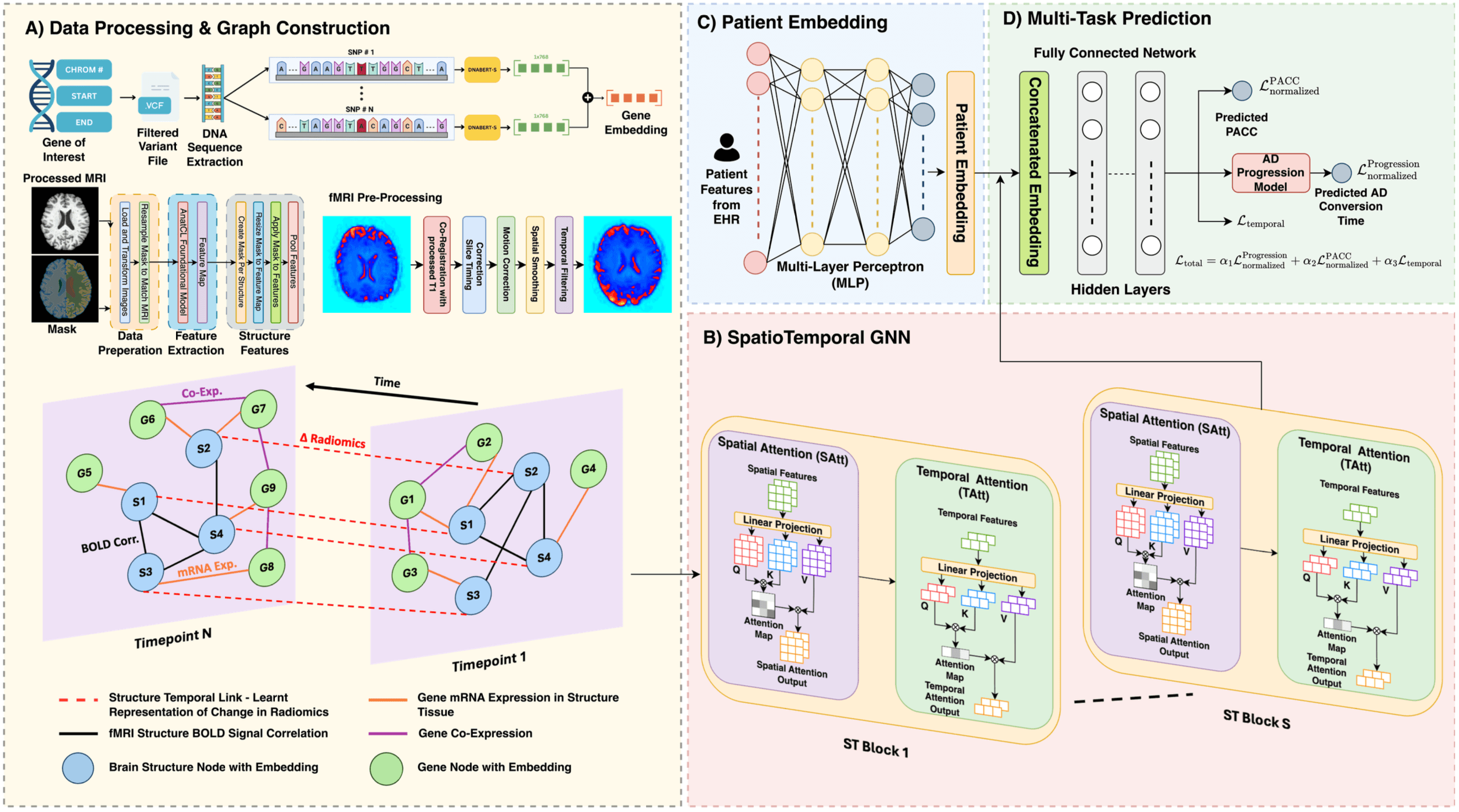
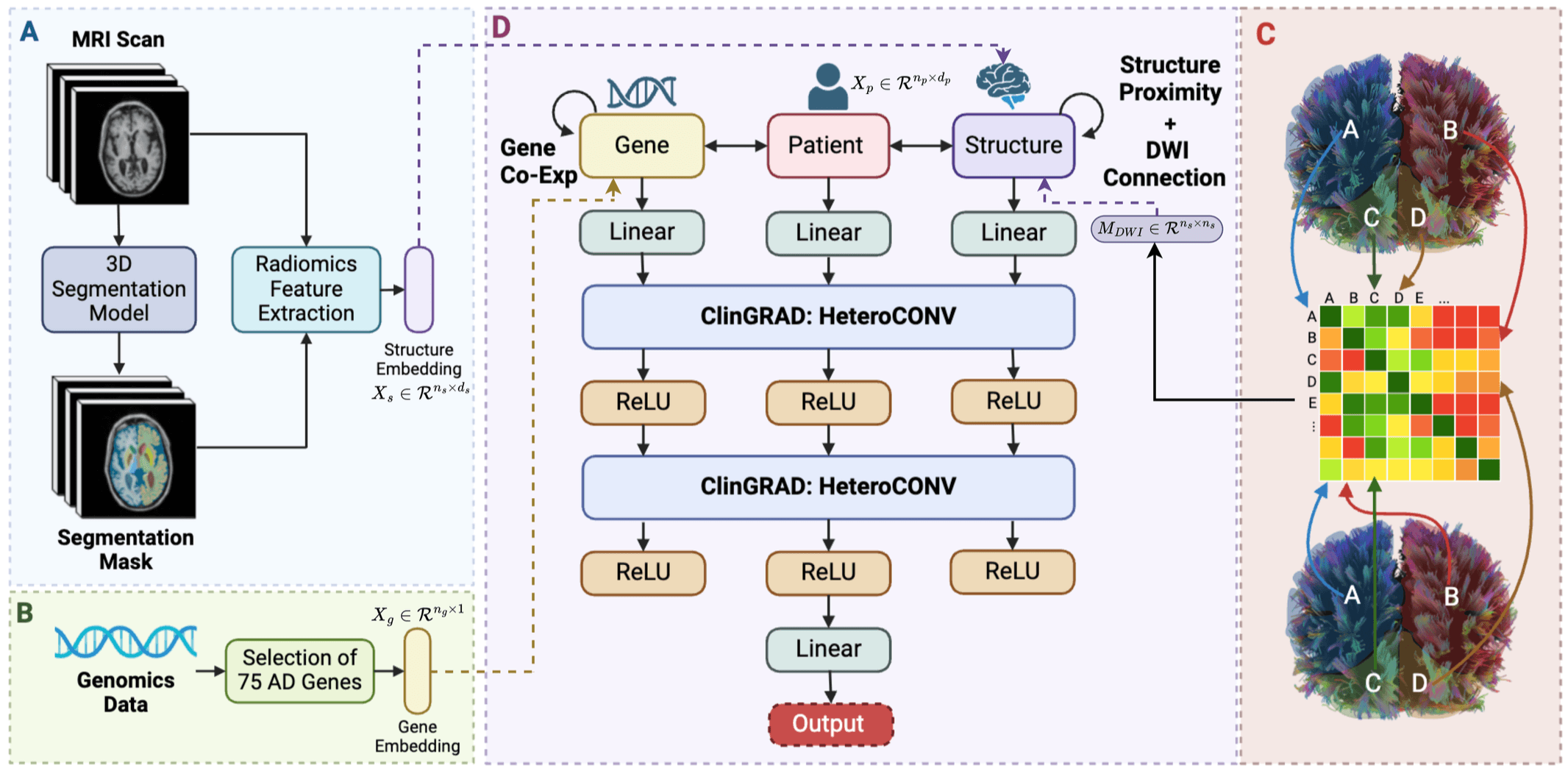
Multi-Omics Data Integration: MINDSETS presents an innovative method to combine MRI radiomics, genomic data, and clinical assessments to distinguish AD from VaD. This integration enhances diagnostic accuracy by capturing the complex pathological differences between these dementia types.
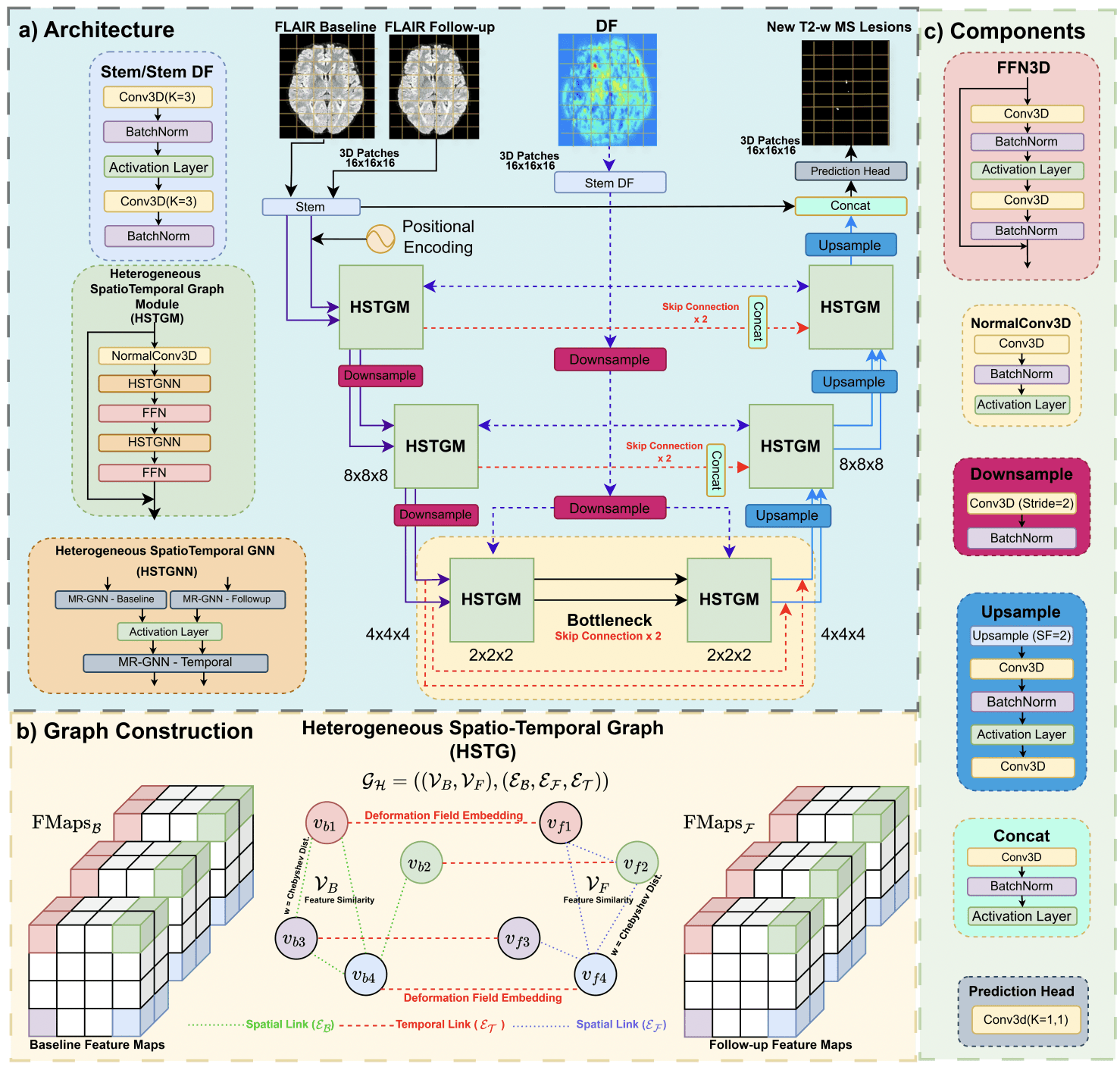
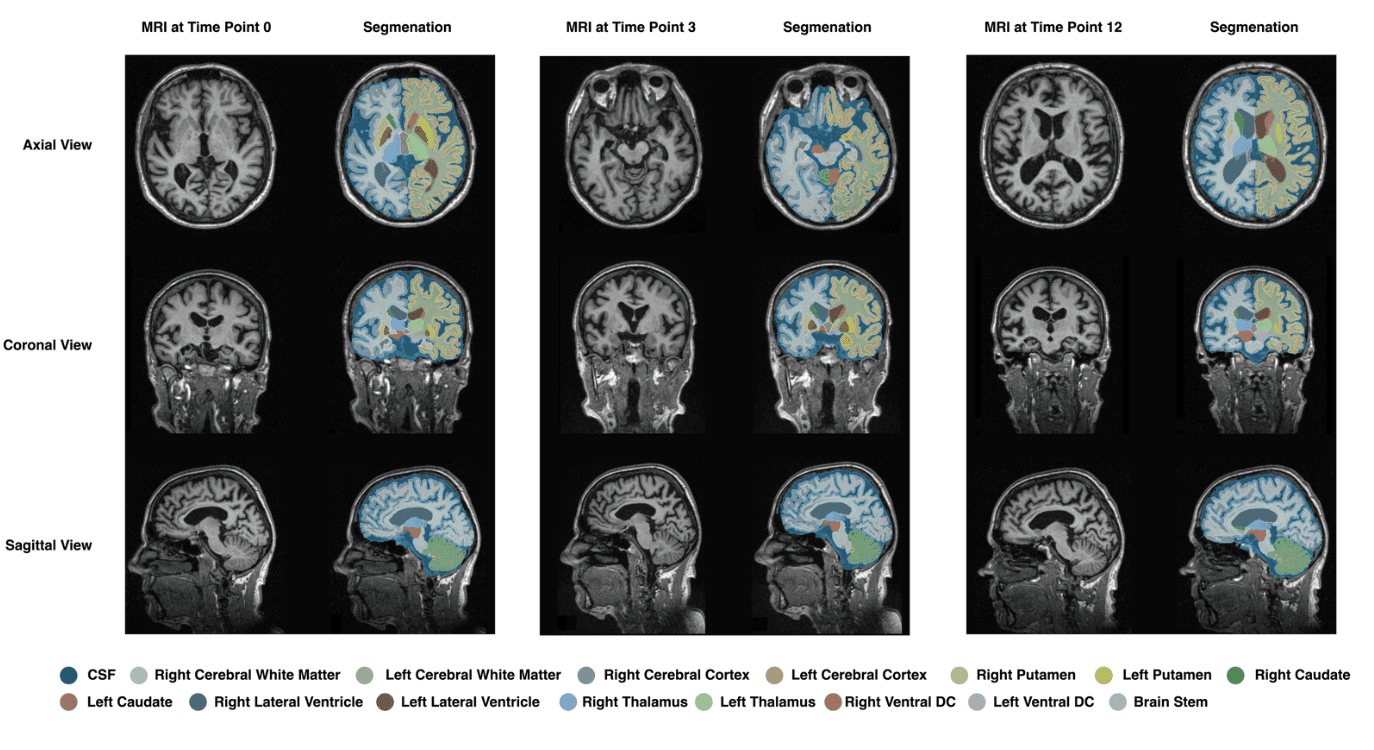
Longitudinal MRI Analysis: The model analyzes longitudinal MRI scans to track changes in brain morphology over time, improving the model’s ability to differentiate between neurodegenerative and vascular dementia. The study highlights the importance of temporal data in monitoring disease progression and treatment efficacy.
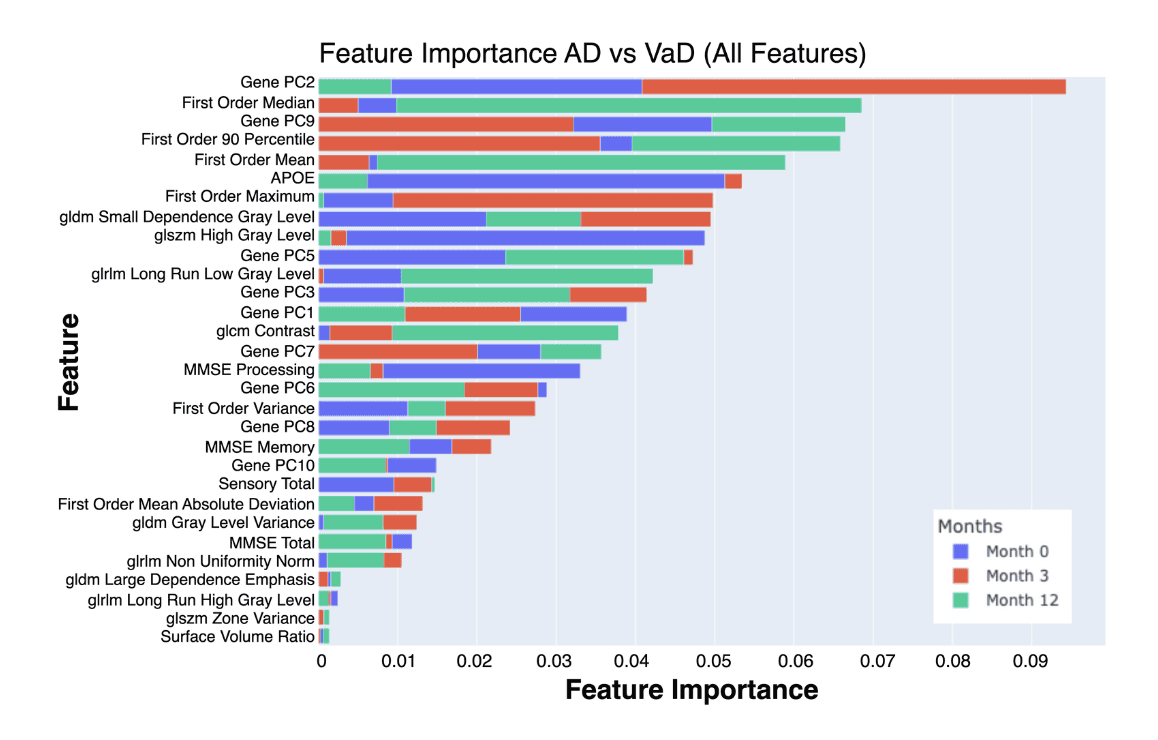
Explainability and Clinical Relevance: The model introduces explainability through SHAP (Shapley Additive Explanations) and feature importance analysis, ensuring that clinicians can interpret the model’s decisions. This transparency is crucial for adopting AI-driven methods in clinical practice.
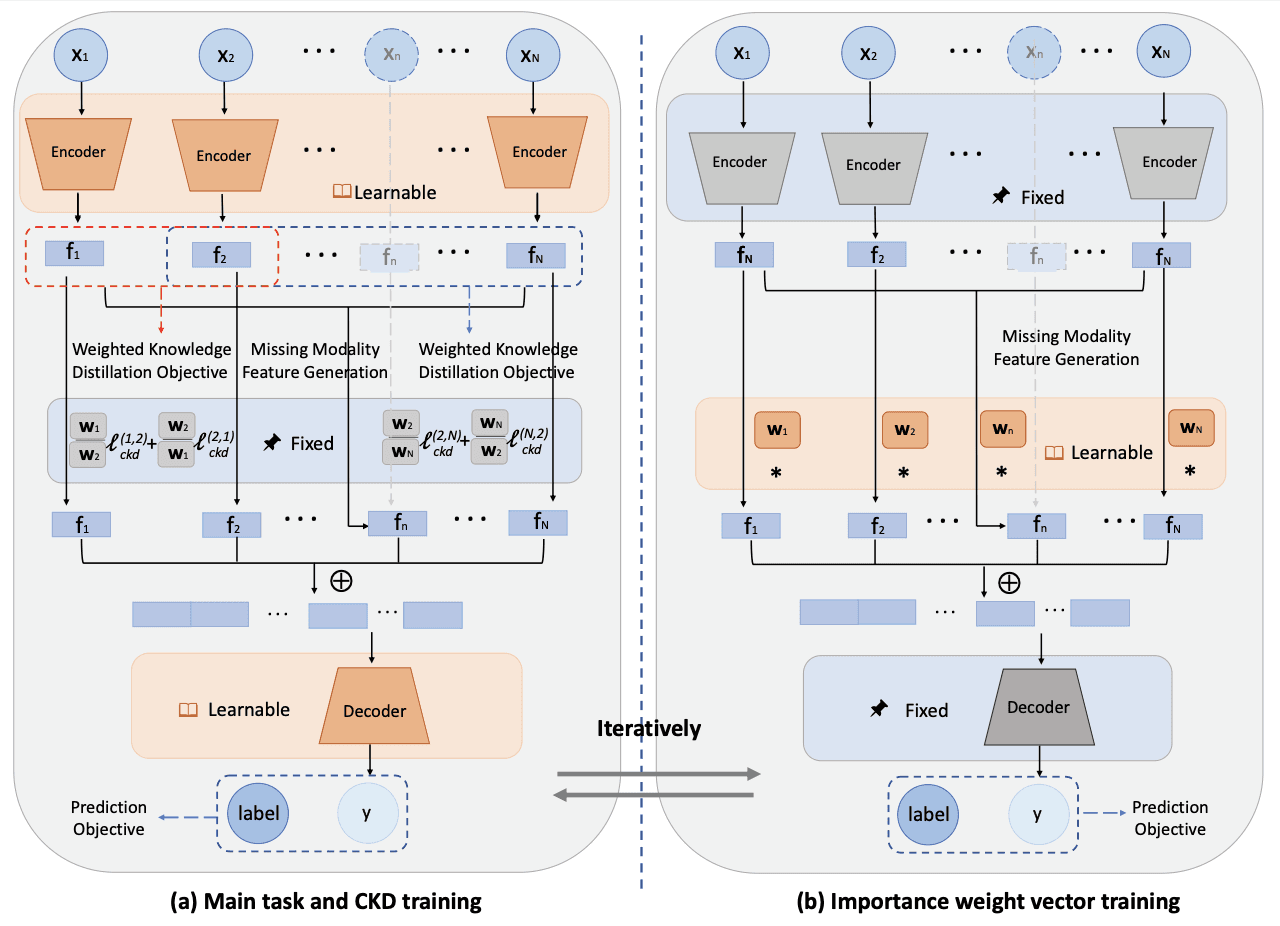
Deep Feature Generation (DFG) Module: The project enhances diagnostic performance through the proposed DFG module, which dynamically extracts intricate patterns from multi-omics data, significantly improving the model's ability to discern relevant information for dementia subtyping.
AI Implementation in MINDSETS
MINDSETS integrates several advanced AI and machine learning techniques:
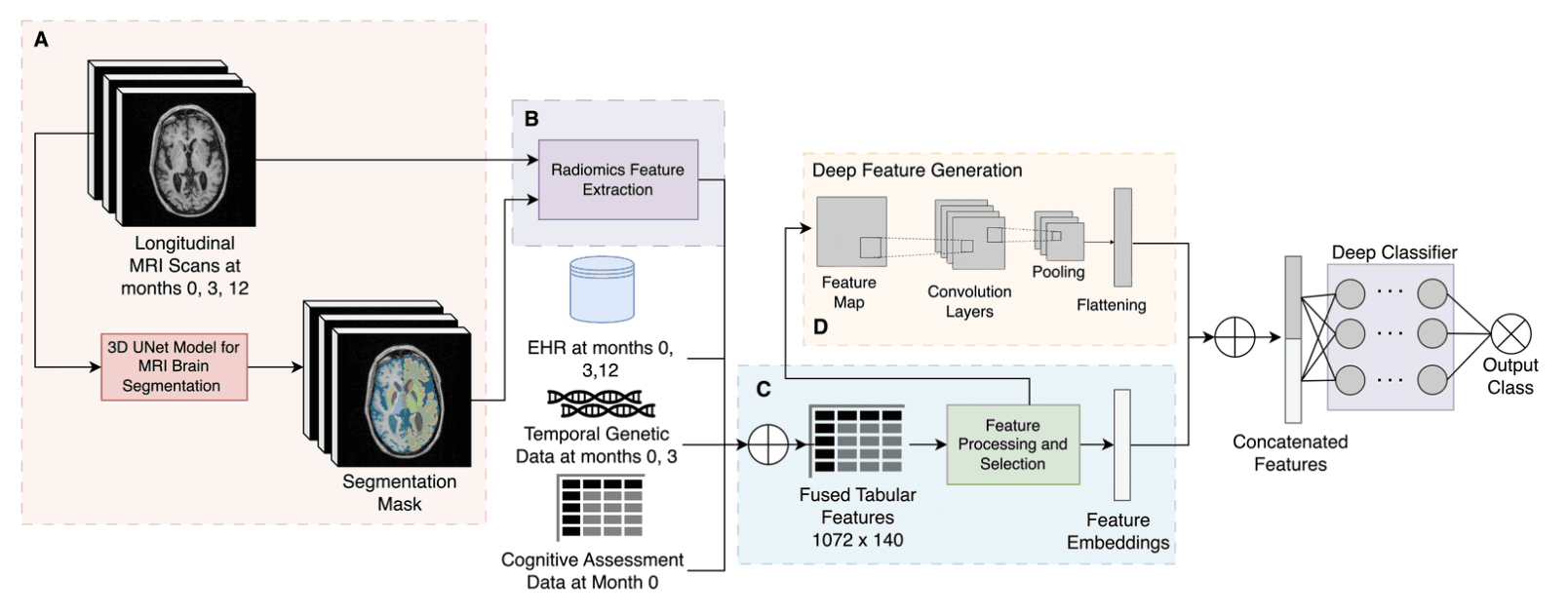
Multi-Omics Fusion: The model fuses MRI radiomics features with genetic and clinical data to build a comprehensive diagnostic tool. This fusion enhances diagnostic accuracy and offers a more detailed view of dementia pathology.
Deep Feature Generation Module: The DFG module uses Convolutional Neural Networks (CNNs) to dynamically generate discriminative features from the data. These generated features are concatenated with raw features to improve classification performance.
Explainable AI: MINDSETS employs SHAP and feature importance scores to highlight the most influential features, providing an interpretable model for clinicians. This makes the model’s decisions transparent and actionable in real-world clinical settings.
Methodology
1. Multi-Omics Data Preparation
The dataset consists of MRI scans, genomic data, and clinical assessments. The ANMerge dataset, containing data from 1,702 participants, is used in this study. The data includes four classes: AD, VaD, Mild Cognitive Impairment (MCI), and Control (CTL). Longitudinal MRI scans are segmented using the SynthSeg tool to extract radiomics features from 32 brain structures.
2. MRI Feature Extraction
Using PyRadiomics, 137 radiomics features are extracted from each of the 32 segmented brain structures. These features capture shape, texture, and voxel-level tissue patterns critical for distinguishing AD and VaD.
3. Data Fusion and Feature Selection
After radiomics feature extraction, the features are fused with genomic and clinical data (e.g., cognitive assessment scores). Several feature selection techniques, including PCA, t-SNE, and FeatureWiz, are applied to reduce dimensionality and multicollinearity, ensuring that the most relevant features are retained.
4. Deep Feature Generation
The DFG module applies CNNs to generate new discriminative features from the fused data. These deep features, combined with the original features, are passed to a classifier for final prediction. This module enhances the model’s ability to identify subtle patterns that traditional methods may not capture.
5. Classification and Prediction
The final step involves passing the processed features through a deep classifier. The model outputs a classification of the dementia subtype (AD, VaD, MCI, or CTL) along with an interpretability layer highlighting the most critical features contributing to the decision.
Results
Multi-Omics Performance: The MINDSETS model achieved a diagnostic accuracy of 89.25% for AD vs. VaD classification using multi-omics data, outperforming traditional methods. The model demonstrated improved performance with longitudinal MRI scans, particularly for differentiating AD from VaD.
Impact of the DFG Module: The introduction of the DFG module resulted in a significant performance boost. For example, accuracy in the binary classification of AD vs. Control (CTL) increased from 60.66% without the DFG to 97.89% with the DFG.
MRI vs. Multi-Omics: While the MRI-only models performed well (accuracy of 87.60% for AD vs. VaD), including multi-omics data led to a further increase in accuracy (to 89.25%), emphasizing the value of integrating additional data modalities.
Interpretability
MINDSETS provides interpretability through:
Feature Importance Scores: Generated using SHAP, these scores reveal the most influential features for each classification decision, making the model’s outputs understandable for clinicians.
Visualizations: Heatmaps of radiomics feature importance help clinicians interpret which brain structures are most affected by dementia and contribute most to the diagnosis.
Discussion
MINDSETS outperformed traditional diagnostic methods, particularly for challenging cases such as differentiating AD from VaD. The model’s ability to integrate multi-omics data and track longitudinal changes makes it a powerful tool for early dementia diagnosis. Additionally, the DFG module significantly enhanced the model’s accuracy by dynamically generating new features, allowing the model to capture intricate patterns that might be missed otherwise.